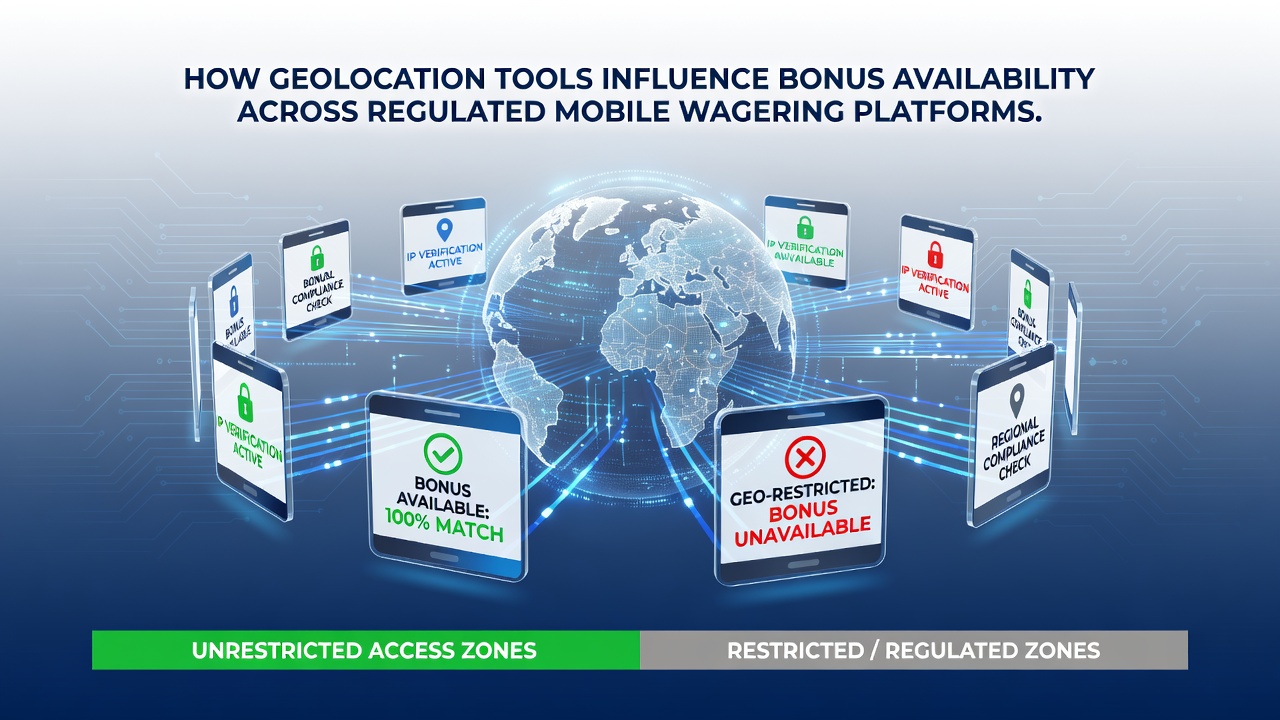
Geolocation Technology Shaping Bonus Access in Licensed Mobile Wagering Platforms
Regulated mobile wagering platforms rely on geolocation tools to determine user locations and control access to promotional bonuses, which remain restricted to specific jurisdictions where operators hold licenses. These systems combine GPS signals, IP address mapping, WiFi network data, and cellular tower triangulation to verify that players operate within approved boundaries, and operators adjust bonus eligibility accordingly because state and national laws often tie promotional offers to physical presence requirements.
Data from regulatory filings shows that platforms in the United States enforce these checks at multiple points during account creation, login, and bonus claim processes, while similar requirements appear in Canadian provincial frameworks and Australian state licensing regimes. When a user attempts to redeem a deposit match or free spin offer from an unauthorized area, the platform blocks the transaction and displays a notification explaining the geographic restriction, which helps maintain compliance with varying rules across borders.
Core Mechanisms Behind Location Verification
Operators deploy layered verification that starts with device GPS coordinates accurate to within a few meters in most urban settings, then cross-references that data against IP databases and nearby WiFi access points to reduce false positives caused by signal drift or spoofing attempts. Research from industry compliance reports indicates that multi-factor checks reduce unauthorized access incidents by significant margins compared with single-method approaches, and platforms update their geofencing databases regularly to reflect new license approvals or boundary changes.
Bonus availability therefore fluctuates based on real-time location results, and players who cross state lines during travel often notice offers disappearing from their accounts until they return to permitted zones. In October 2026 several U.S. states expanded mobile wagering footprints, which prompted operators to recalibrate geolocation parameters and unlock previously restricted bonus pools for residents in newly authorized counties.
Regulatory Variations Across Regions
Each licensing authority sets its own standards for location accuracy and audit frequency, which creates distinct patterns in how bonuses reach users. New Jersey's Division of Gaming Enforcement requires continuous monitoring throughout active sessions, whereas certain European regulators focus more on initial verification and periodic spot checks, and these differences lead platforms to maintain region-specific bonus catalogs that activate only when location data aligns with local rules.
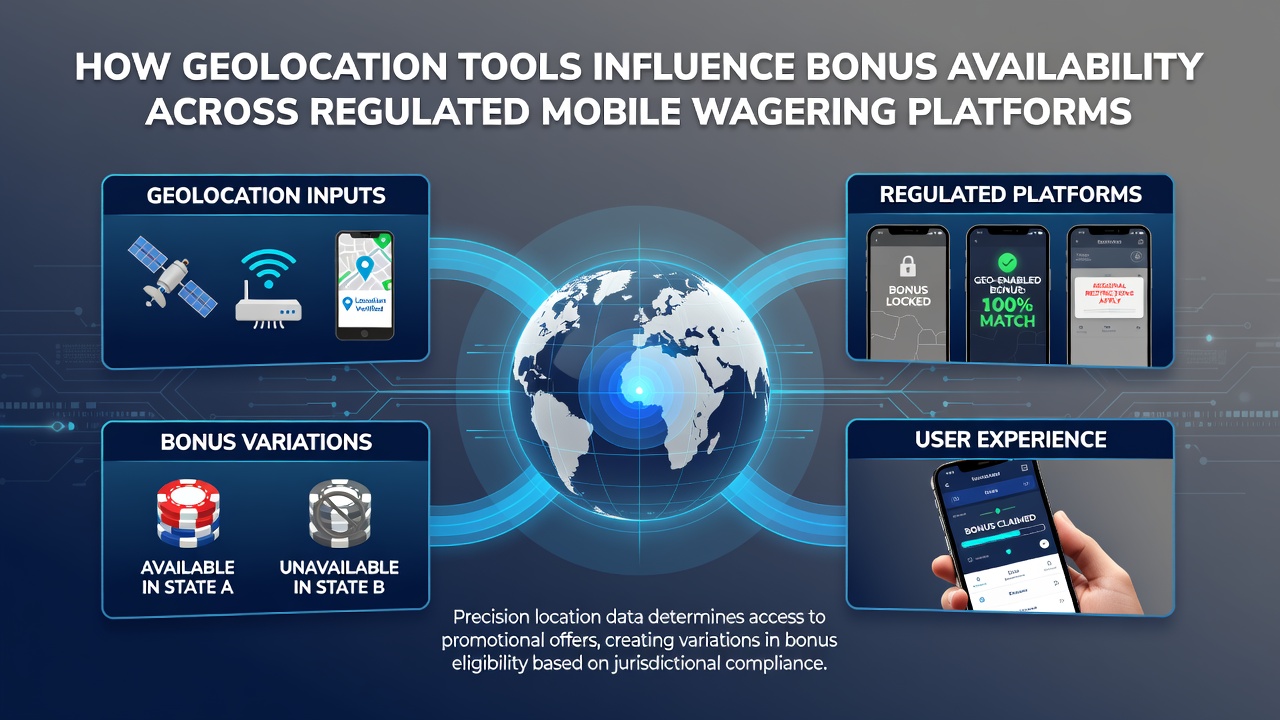
One study released by a Canadian research consortium found that platforms using enhanced WiFi triangulation achieved higher compliance scores during audits, and those same operators reported steadier bonus redemption rates because fewer legitimate users encountered erroneous blocks. Observers note that smaller operators sometimes partner with specialized geolocation vendors to meet these technical thresholds without building custom solutions in-house.
Technical Challenges and Mitigation Strategies
Signal interference in rural areas, tall buildings in dense cities, and deliberate attempts to mask location through VPNs all complicate verification, yet platforms counter these issues with machine learning models that flag inconsistent data patterns and trigger additional checks. When anomalies appear the system may request a secondary confirmation such as a quick scan of local cell towers, which restores access for compliant users while maintaining barriers for those outside licensed territories.
Figures from an American Gaming Association report reveal that bonus-related disputes tied to location errors declined after widespread adoption of these adaptive systems, and operators continue refining algorithms to handle edge cases like users near state borders who technically qualify under one set of rules but not another.
Impact on Player Experience and Platform Operations
Players encounter varying bonus menus depending on their current location, and this dynamic catalog encourages operators to promote region-specific offers that align with local demand and regulatory allowances. Those who travel frequently report needing to plan bonus claims around known permitted zones, while platforms provide in-app maps showing coverage areas to reduce confusion during sessions.
Industry associations in Australia and the European Union have published guidelines encouraging transparent communication about location requirements, and many platforms now include clear explanations within their terms that link directly to regulatory references such as those maintained by the New Jersey Division of Gaming Enforcement. This approach helps users understand why certain promotions appear or vanish without creating unnecessary support tickets.
Future Developments in Location-Based Controls
Emerging technologies such as satellite-based augmentation and 5G network positioning promise even finer accuracy, which could expand bonus availability into previously hard-to-verify zones while tightening controls against circumvention. Regulatory bodies continue monitoring these advancements and update technical standards accordingly, ensuring that platforms keep pace with both innovation and compliance demands.
Conclusion
Geolocation tools remain central to how regulated mobile wagering platforms manage bonus availability, because they enforce the geographic limits written into each license and protect operators from penalties associated with unauthorized distribution. As more jurisdictions authorize mobile wagering and refine their rules, these systems will continue evolving to balance accessibility with strict adherence to location-specific requirements, and the data shows consistent improvements in both compliance rates and user clarity around eligibility.